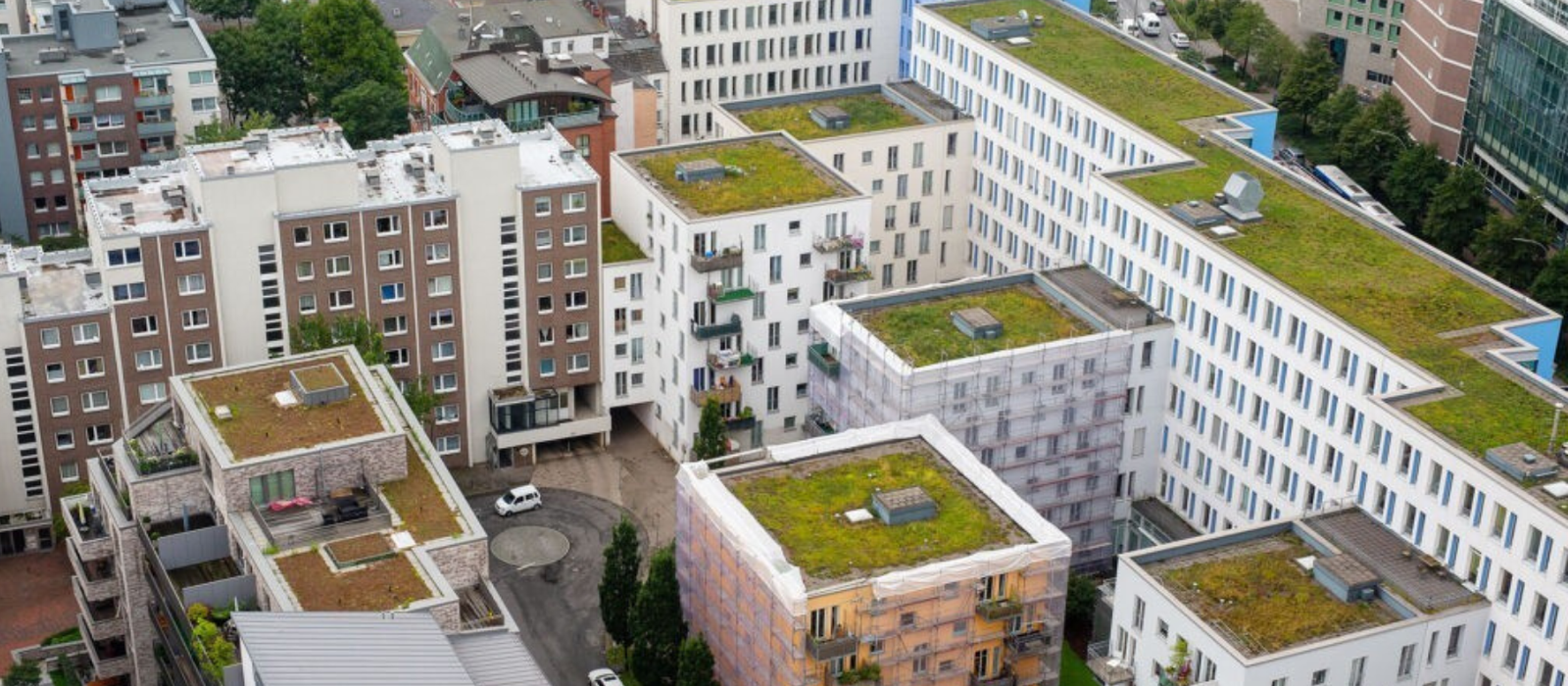
The City as a Sponge: Engineering Responses and the Importance of "Special Structures"
On 22 March, World Water Day draws global attention to one of our most important natural resources. In 2026, the event's main theme is "Water and Equality - Water as a Creator of Opportunity".
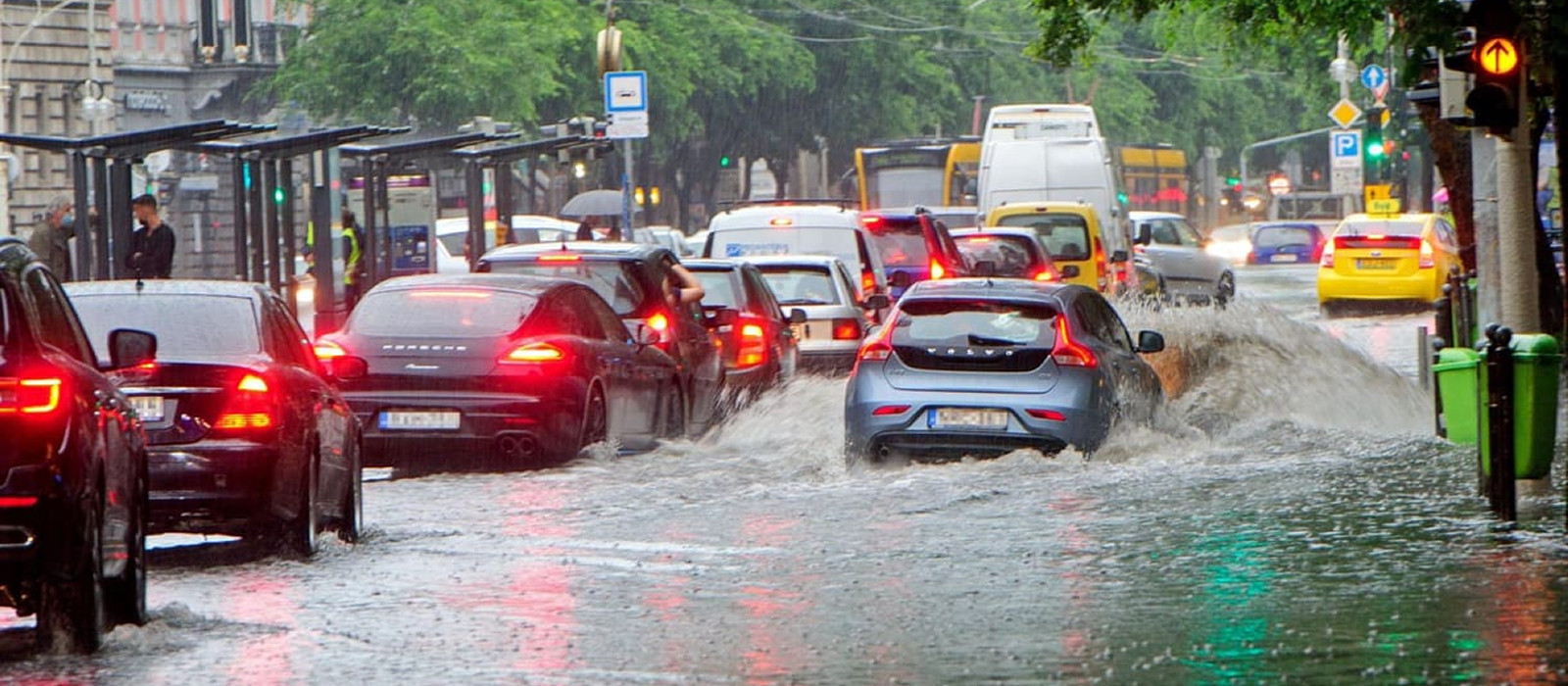
As a result of climate change, extreme weather events are becoming increasingly frequent: long, drought-stricken periods are interrupted by sudden downpours of exceptionally high intensity. This duality - water scarcity and the risk of flash floods - is fundamentally reshaping the traditional principles of urban water management.

Modern urban planning responds to this dual challenge through the so-called "Sponge City" concept. This approach, whose principles are also set out in the latest Hungarian professional guidance, including Budapest's Green Infrastructure booklets, defines the future of sustainable urban development in a comprehensive way.
Sponge City: or the imitation of the natural water cycle
At its core, the sponge city approach is about systemic alignment: the goal is for settlements to behave during rainfall the way a natural ecosystem does.
This can be achieved by treating rainwater not as "waste" to be removed from the urban fabric as quickly as possible, but as a resource that should be retained locally. The process rests on three pillars: local infiltration, storage, and delayed conveyance of water.
At ground level, a range of options is available to implement the concept. These include, for example:
• permeable pavements and rain gardens, meaning surfaces designed to allow water to enter the soil directly, thereby reducing surface runoff;
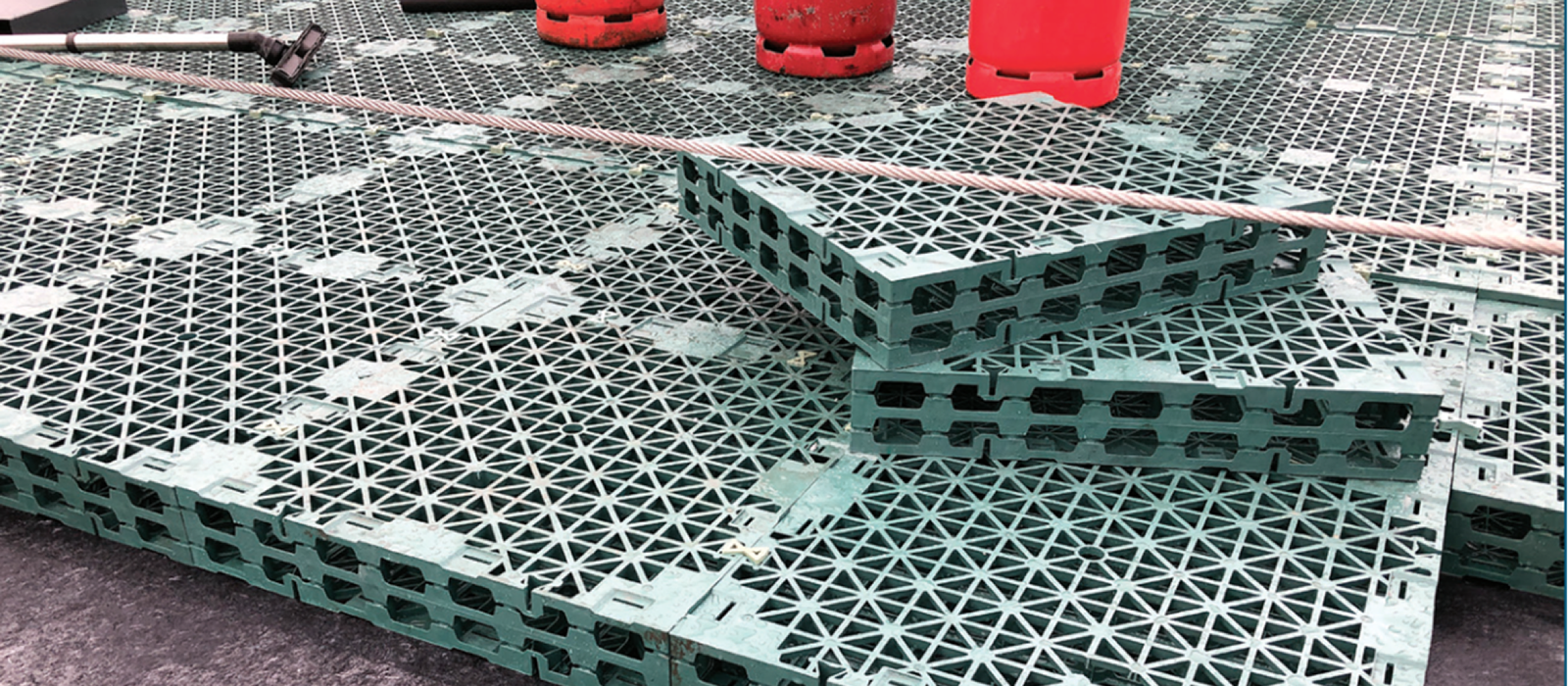
• infiltration below the frost line and the use of root cell systems beneath pavements, which provide enormous storage capacity for vegetation even in the densest inner-city environments.
During cloudbursts, the city's spongelike surfaces and elements prevent the drainage network from failing, becoming overloaded, and leaving water surging across the streets. In drought periods, the water stored below ground gives urban green areas a chance to survive and, through evaporation, helps cool the surrounding environment.
These technologies have now moved beyond the experimental phase in Hungary as well. A good example is the pilot project on Gogol Street in Szeged, which, according to current plans, is due to be completed in May and demonstrates that ground-level water retention can be successfully combined with the modernization of urban infrastructure.
However, where there is no more room at ground level, attention turns to rooftops. Here, though, we leave conventional roofing solutions behind and enter the category of special structures.
The detention roof as a special structure
For conventional roofs, the basic principle is to drain water from the roof surface as quickly as possible. To achieve this, the substructure and roof design (flat or pitched roof) are planned with a prescribed minimum slope or pitch. Detention roofs, by contrast, are designed for the deliberate and operational presence and retention of water, which means extreme loading and heightened risk for the entire building structure. In order to maximize water-retention capacity and ensure precisely calculable runoff conditions, these systems are often recommended with a zero-slope design.
It is important to emphasize that detention roofs are not merely flat roofs covered with gravel or vegetation. They are highly complex technical solutions that fall into the category of special structures both in specialist design and during construction. In terms of how they operate, they can in many respects be regarded more as controlled building-services systems than as conventional building structures.
From a functional perspective, two main types can be distinguished:
• Water-retention systems, whose purpose is to retain water over a longer period, primarily for evaporation and irrigation. This is achieved mainly through enclosed horticultural elements designed for this function. Water-retention systems include green roofs and their various variants.
• Delayed-drainage systems, where roof surfaces function as buffers: they store water only temporarily and then, with the help of a regulating outlet element, release it into the utility network at a slower rate.
Risk from an engineering perspective
The status of being a "special structure" entails minimizing the possibilities of failure. Designers and contractors must manage risks in several areas:
• Substructure and slope are key issues, because the weight of water is a significant factor. The intentionally retained volume of water (for example, a 10 cm water column on 1 m² - approx. 100 kg/m² load) imposes a substantial structural load on the load-bearing structure and the waterproofing layers. The attempt to achieve a "zero-slope*" design further increases the risk: if the slab has a conventional fall, the intentionally retained water accumulates unevenly, whereas if there is no slope at all, the risk in the event of malfunction becomes greater.
• When selecting thermal and waterproofing systems, the issue of permanent/temporary surface water loading narrows and influences the range of possible materials and design solutions. Whereas on a conventional roof the waterproofing merely "sheds" the water, on a detention roof the membrane may be exposed to periodic hydrostatic pressure. For this reason, particular attention must also be paid during design to building-physics issues, such as the position of the thermal insulation (warm-roof or inverted-roof build-up) and the water-absorption properties of the materials.
*In reality, a roof will never be completely without slope: there are significant differences between the planned structural deflection and the completed structure with its finished use layers. A detention roof must always be designed so that no roof drain ends up at a high point. To ensure emergency/maintenance drainage, a minimum slope must still be provided.
Key messages of urban water retention
The message of World Water Day in 2026 is particularly timely: adapting to water is no longer merely an environmental issue, but a prerequisite for the functionality, livability, and equitable development of settlements.
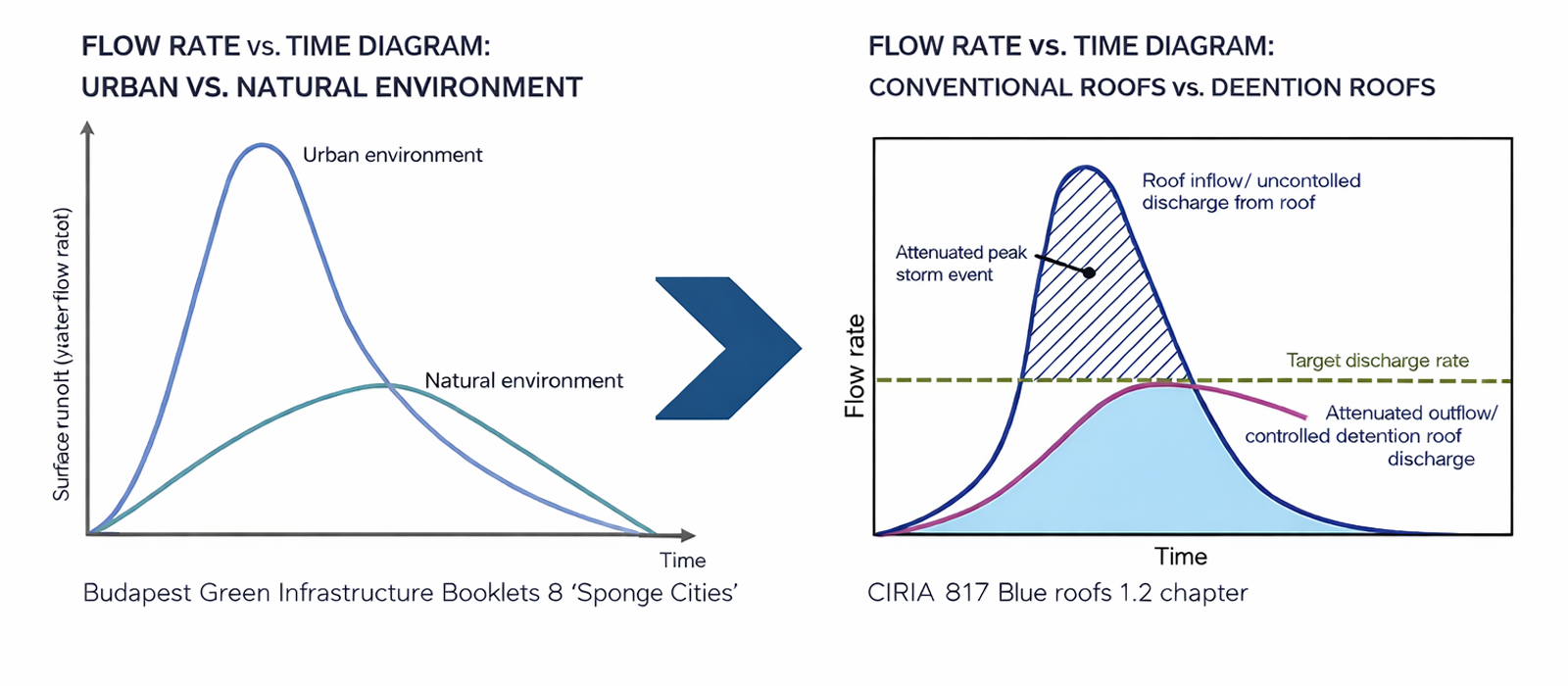
The sponge city concept provides a systemic response by interpreting rainwater as a resource to be retained locally and by bringing urban operation closer to the natural water cycle through infiltration, storage, and delayed drainage. Within this same approach, detention roofs are a specific building-scale manifestation, offering a technical solution for water retention where opportunities at ground level - or even below ground level - are already limited. Yet while the sponge city is a strategy at the urban scale, the detention roof is one of its special structural elements, requiring strong technical discipline, precise design, and heightened risk management. In this way, water can become a genuine opportunity-creating element of climate-adaptive urban development.
The sustainable settlements of the future can only become truly resilient if the principles of water retention are applied consistently and in an integrated way - from public spaces to roof levels, and from urban-planning thinking to building-detail design.
Sources
• Bence Blaesius: thesis entitled "Design Principles of Detention Roofs";
• the methodological guide published by the City of Budapest in 2025 entitled "Sponge City - Retention of Rainwater in an Urban Environment";
• and the article published by HVG on 16 March 2026 entitled "Szeged is burying half a billion forints underground so that the city centre does not dry out" served as the basis for this article.